



-
 Personalized CustomizationTailor-made gifts, show a unique mind, suitable for various occasions.
 -
 Qualitative MaterialsSelected high quality materials, exquisite craftsmanship, to ensure that each gift is flawless
 -
 Multiple ChoicesProvide a wide range of gifts to meet the needs of individuals, businesses and festivals
 -
 Accelerated DeliveryEfficient processes ensure on-time delivery to meet your urgent needs

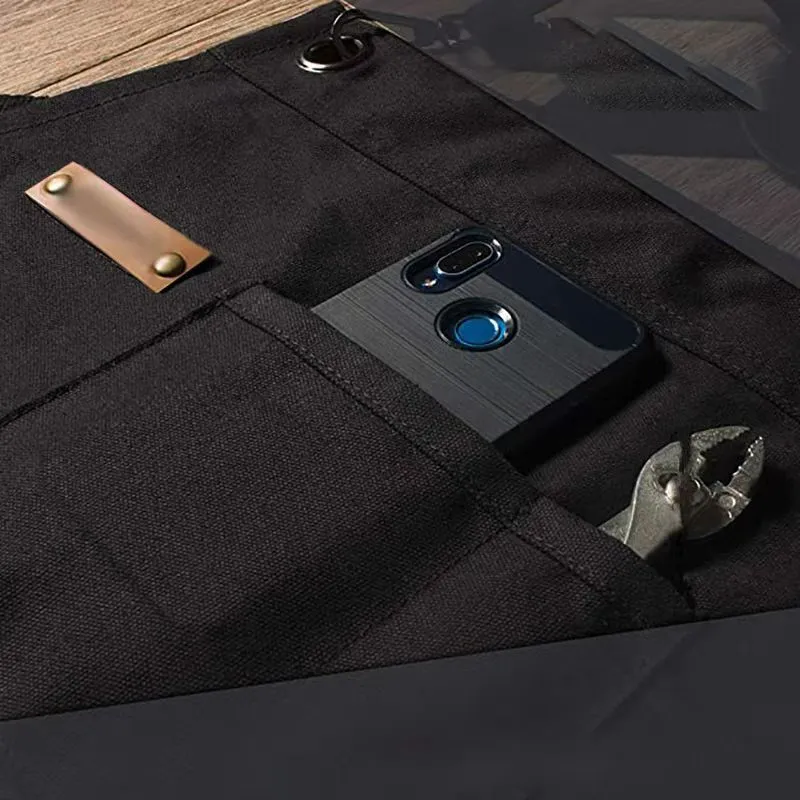
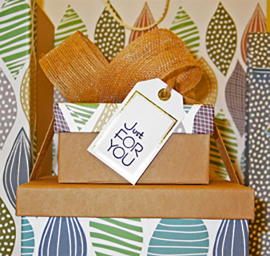
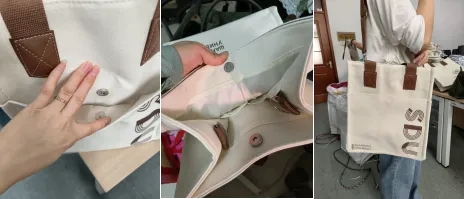
custom paper bags with logo for business
/What’s Really Inside an Eco-Friendly Dupont Paper Bag If you’ve handled a modern “paper” goodie bag that feels strangely strong and splash-proof, you’ve probably met Tyvek. It’s the not-so-secret sauce behind today’s smarter promo packaging. I’ve toured factories from Wuhan to Wuxi; the best runs I saw came out of Hubei—specifically 3F, Building 6, 67 Chuangye Road, Zhuankou Economic & Technological Development Zone, Wuhan, China. And yes, Tyvek is a DuPont material (worth stating clearly). It looks papery, behaves like fabric, and recycles as HDPE #2. Actually a neat trick. Industry snapshot Brands are pivoting from laminated PP to Tyvek for three reasons: lighter shipping, higher reusability, and cleaner brand print. Many customers say the bags “feel premium without feeling precious.” To be honest, that vibe matters in retail and events. Meanwhile, EPR policies and plastic taxes nudge marketers toward mono-material solutions (HDPE streams, not mixed laminates). Technical specs that matter Parameter Typical for Eco-Friendly Dupont Paper Bag Material DuPont Tyvek (flash-spun HDPE), grades ≈ 1056D/1073D Basis weight 55–75 g/m² (around; real-world use may vary) Printing CMYK + Pantone spot; water-based inks Handles Tyvek tape, cotton rope, or PP webbing; sewn or heat-bonded Load capacity ≈ 8–12 kg (tested per drop/tensile protocols) Service life 12–36 months of normal retail use; wipe-clean Recyclability HDPE #2 streams where available How it’s made (shop-floor version) Material: flash-spun HDPE forms Tyvek sheet; rolls arrive pre-graded. Printing: water-based flexo or digital; low-VOC curing. Cutting: steel-rule die for bodies, gussets, reinforcements. Assembly: heat-bonding or top-stitching; handle rivets if heavy-load. QC & testing: tensile (ASTM D882), seam strength (ASTM D5034), drop test (ISO 4180), rub/scratch (ASTM D5264). Finish: de-dusting, polybagging, carton with FSC mix or recycled content. Typical pass data I’ve seen: tensile MD ≈ 120–180 N/25 mm; 1 m drop with 10 kg payload for 5 cycles—no seam failure. Not lab gospel, but consistent with competent production. Where it works Trade shows, fashion retail, museum shops, corporate onboarding kits, wellness events, boutique groceries, even VIP literature packs. Many event teams reuse the same Eco-Friendly Dupont Paper Bag across multi-city roadshows—surprisingly durable. Customization & branding Sizes from A5 gift to XL tote; matte or soft-crinkle finishes. You can run limited-edition art, seasonal PMS inks, or exclusive corporate IP—client-supplied vectors recommended. MOQs are sane, and the unit economics drop fast at scale. Vendor comparison (realistic, not hype) Vendor MOQ Lead time Certs Notes TheGeniusGifts (Wuhan) ≈ 500 12–18 days ISO 9001, RoHS/REACH ink reports Strong OEM art handling, tight QC Shenzhen Bag Co. 1,000 15–25 days ISO 14001 optional Competitive on high volumes Local Printer (EU/US) 200–300 7–12 days FSC Chain-of-Custody on cartons Faster, but higher unit cost Advantages (and a few caveats) Lightweight yet tough; resists tearing and splash. Mono-material recycling pathway (HDPE #2), which procurement teams like. Print pops—less ink soak than kraft. However, deep blacks need ink density tuning. Not ideal for high-heat exposure; keep below ironing temps. Case notes from the field Fashion pop-up: switched to Eco-Friendly Dupont Paper Bag ; post-event survey showed ≈18% “kept for reuse” rate vs 6% prior year. Museum gift shop: adopted an A4 Tyvek tote; breakage claims dropped to near-zero over a quarter, according to the retail manager. Compliance, testing, and paperwork Look for ISO 9001 QA, REACH/SVHC and RoHS ink statements, FSC on outer cartons, and if you’re extra careful, third-party labs (SGS/TÜV) for tensile and rub. Drop tests per ISO 4180 and tensile via ASTM D882 are the usual proof points. Note: Tyvek is a registered trademark of DuPont. Data above are typical values; actual performance depends on size, seams, and load profile. References DuPont Tyvek Technical Data Sheets (materials and grades). ASTM D882 – Standard Test Method for Tensile Properties of Thin Plastic Sheeting. ISO 4180 – Packaging—Complete, filled transport packages—General rules for the compilation of performance test schedules. REACH Regulation (EC) No 1907/2006; RoHS Directive 2011/65/EU (and amendments). FSC Chain-of-Custody Certification standards for packaging components.


-
Who is The Genius Gifts and what services do you offer?The Genius Gifts is a woman-owned business founded by two female gift lovers. Explore our gift marketplace to find a gift for any occasion, from birthdays, to work anniversaries, to new baby gifts and gifts for the holidays. Gifts for Good also offers custom gift boxes, branded products.
-
Shipping INFO?For bulk orders–including custom gift boxes and swag—we have a trusted third agent who can deliver exceptional gifts to your employees and clients in any country around the world.
-
What is The Genius Gifts's Mission and Vision?Our mission is for the world to help bring joy and peace to people and the planet through gift giving.
we can create personalized gifts for our customers to convey the heart.
Through unique design and fine craftsmanship,
our gifts have become testimonies of important moments for many customers.


And Gratitude
impactful products, providing gift plans for employees, customers, and family and friends.
Let's take a look at the real reviews from our customers


-
 2026-04-04 18:26Polyaspartic Acid (PASP) Enhances Fertilizer Efficiency _ Sustainable Agricultural Solutions by Hebe Polyaspartic Acid (PASP) Enhances Fertilizer Efficiency | Sustainable Agricultural Solutions by Hebe
 -
2026-04-04 17:55custom cuddly toys In a world brimming with digital distractions and fleeting trends, the tangible comfort of a custom
-
2026-04-04 16:55personal engraving gifts Personal engraving gifts have gained immense popularity as a thoughtful and unique way to express em
-
2026-04-04 16:42personal print gifts When it comes to thoughtful and personalized gifts, personal print gifts hold a special place. These

Start Your Personalized Gift Journey
 TheGeniusGifts@outlook.com
 China:3F, Building 6, 67 Chuangye Road, Zhuankou Economic and
Technological Development Zone, Wuhan,Hubei,China
China:3F, Building 6, 67 Chuangye Road, Zhuankou Economic and
Technological Development Zone, Wuhan,Hubei,China- U.S.A:Coralwood Ct. Rancho Cucamonga Ca 91737